Anodising is often chosen for aluminium components where both protection and appearance are important. It creates a controlled oxide layer that enhances corrosion resistance while also allowing for decorative finishes. But like most surface processes, the outcome depends on how well the system is designed.
In Bangalore, industries ranging from electronics to construction rely on anodised components. The expectation is not just a clean finish, but a coating that can sustain environmental exposure. However, many units face issues like uneven colouring, patchy layers, or inconsistent thickness, especially when the process lacks control.
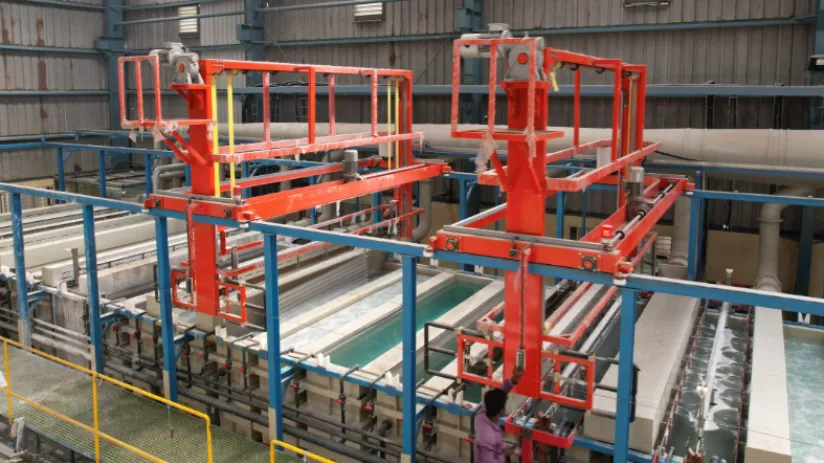
AK Automation Systems approaches anodising plants with a focus on process uniformity. From pre-treatment cleaning to anodising and sealing, each stage is structured to maintain consistency. The system ensures proper electrolyte balance, temperature control, and timing, all of which contribute to the final finish.
Another factor that often goes unnoticed is scalability. As production requirements grow, the anodising plant should be able to handle increased volume without compromising quality. Automation again plays a role here, allowing for better coordination between stages.
If anodising is a key part of your product line, investing in a system that ensures uniformity and stability can help avoid long-term quality concerns.
Keywords