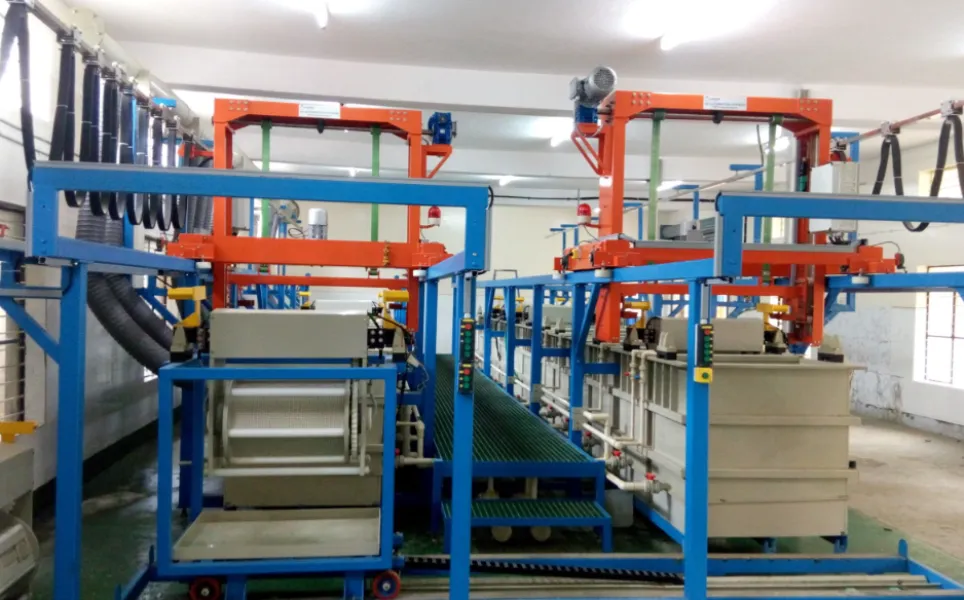
An automatic plating line is usually considered when production demand starts exceeding manual capacity. But in many cases, the decision comes a bit late, after inefficiencies have already impacted timelines and output quality.
In Bangalore, where manufacturing units are constantly scaling, automation is becoming less of an upgrade and more of a necessity. The challenge, however, is not just installing an automatic plating line, it is ensuring that the system integrates smoothly with your existing workflow.
AK Automation Systems works with this transition phase quite closely. The idea is to design plating lines that align with batch sizes, product dimensions, and required coating specifications. Automation here does not mean complexity, it actually simplifies operations. Once parameters are set, the system follows a defined sequence, reducing variation and human intervention.
There is also a noticeable improvement in productivity. Automatic lines allow for continuous operation, better time management, and reduced idle cycles. Over a period, this reflects in both output volume and cost efficiency.
And then there is the safety aspect. With reduced manual handling of chemicals and materials, workplace risks naturally come down.
If your current setup feels stretched or inconsistent, exploring an automatic plating line might not just solve operational issues, it could redefine how your entire process functions.
Keywords


