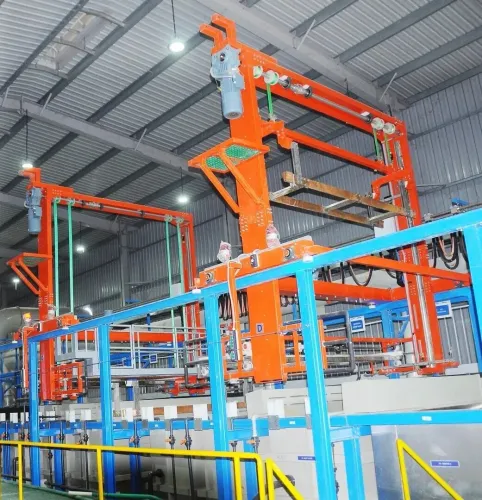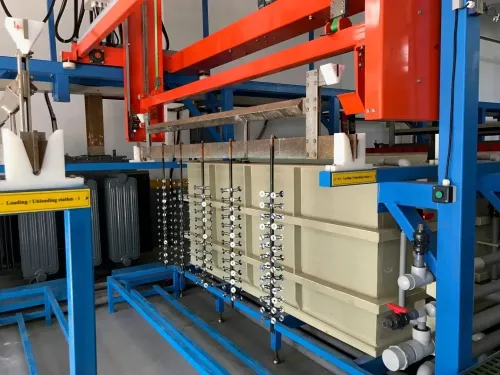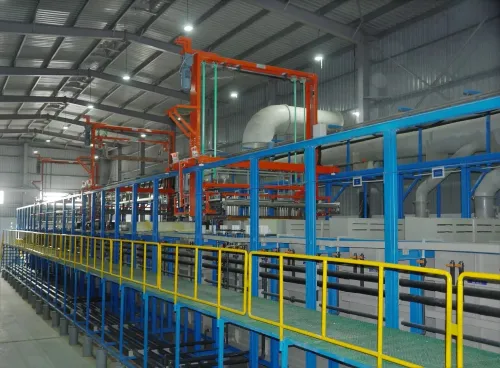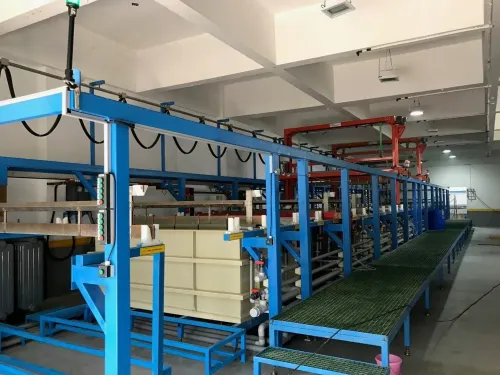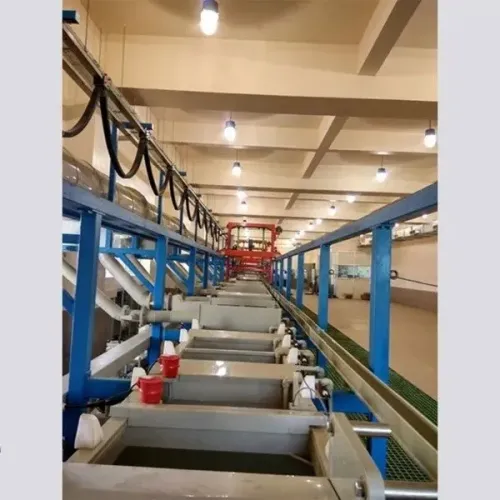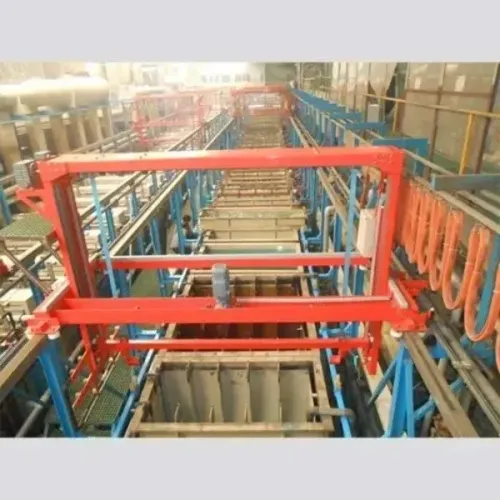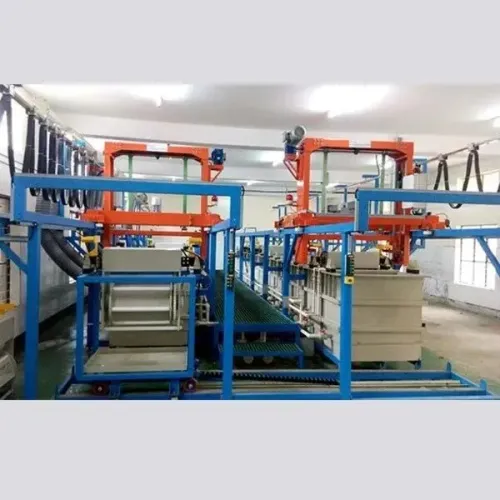
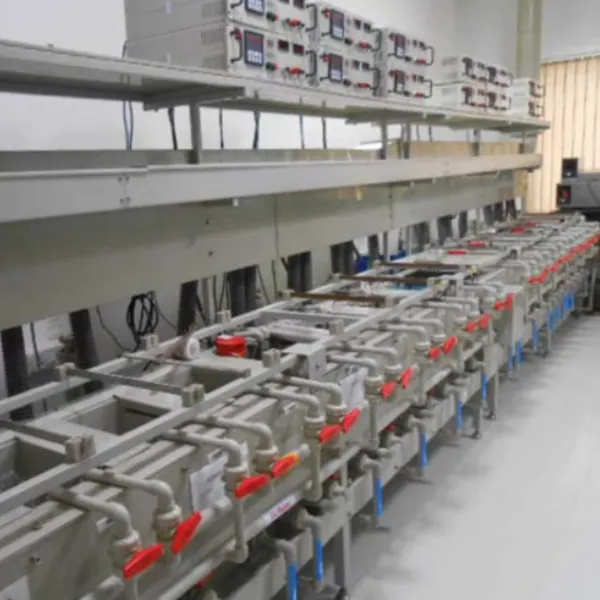
In PCB manufacturing, the PTH process plays a critical role in ensuring electrical connectivity between layers. It may look like just another stage in production, but in reality, even minor inconsistencies in through hole plating can affect the performance of the entire board.
Many manufacturers face challenges like poor adhesion inside holes, uneven copper deposition, or reliability issues during long-term usage. These problems are not always visible immediately, but they tend to surface later in the product lifecycle. That is why the design of a PTH line becomes so important.
AK Automation Systems focuses on developing PTH lines that maintain uniform plating across both surface and hole interiors. The process involves precise control over cleaning, activation, and plating stages. Each step is aligned to ensure proper deposition inside even the smallest vias.
There is also a need for synchronization. PTH lines often work alongside multiple PCB processes, and any mismatch in flow can impact overall efficiency. A well-integrated system helps maintain continuity across stages, reducing delays and rework.
If your PCB production depends on consistent electrical performance, evaluating the effectiveness of your PTH line could make a significant difference in long-term reliability.
Keywords