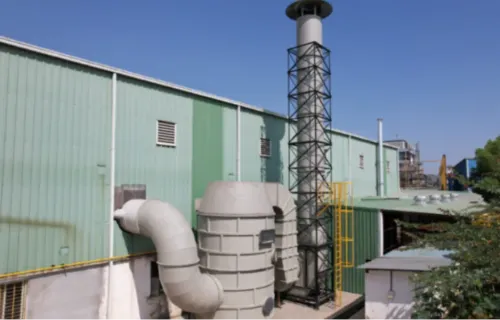
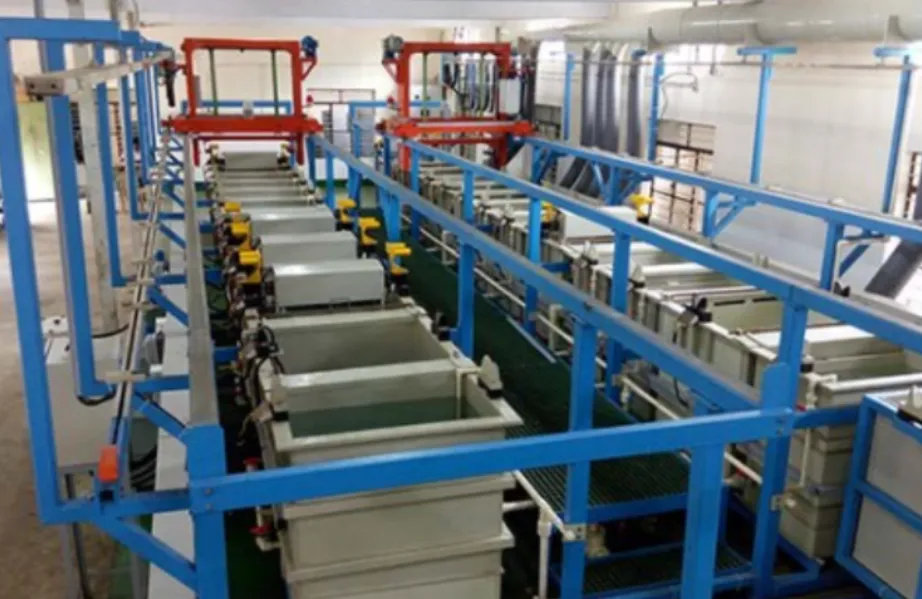
PVC tanks are widely used in electroplating plants, mainly because of their balance between cost and chemical resistance. But in practical scenarios, their performance depends a lot on how they are fabricated and integrated into the system.
Many units experience issues like surface degradation, joint failure, or structural weakness over time. It usually does not happen immediately, but after continuous exposure to plating solutions and operational stress. These issues can lead to downtime, and sometimes even safety concerns.
In Bangalore, where production demands are increasing, there is a growing need for PVC tanks that can handle both volume and consistency. AK Automation Systems approaches PVC tank fabrication with attention to detail, especially in areas like joint welding, thickness selection, and load-bearing support. These aspects often make the difference between a tank that lasts and one that needs frequent replacement.
Another factor is system alignment. Tanks need to fit seamlessly into the plating line, ensuring smooth flow of materials and processes. Poor alignment can create inefficiencies that are not always visible but affect overall productivity.
If your electroplating setup relies heavily on PVC tanks, evaluating their build quality and integration could help avoid operational interruptions in the long run.
Keywords