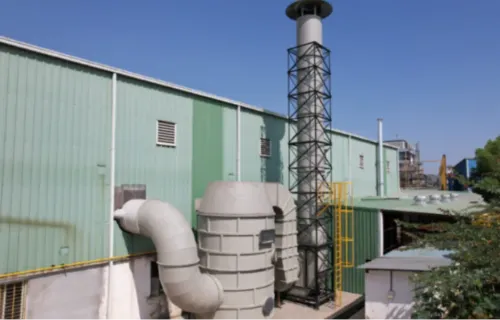
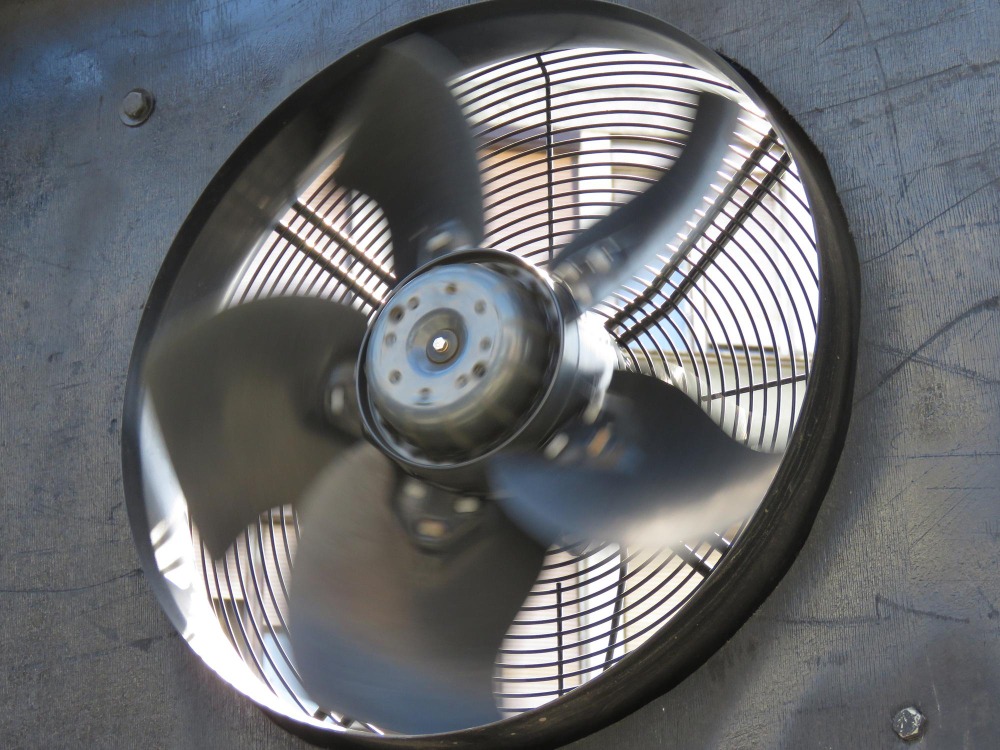
An exhaust fan may look like one of the simpler components in a plating plant, but incorrect fan selection can affect the performance of the entire ventilation system. A fan that cannot overcome duct and scrubber resistance may deliver insufficient extraction at the tanks, while an unnecessarily oversized system can increase energy use and create balancing problems.
Choosing an Exhaust Fan for Electroplating Line applications therefore requires an airflow and pressure-based approach.
Why Fan Capacity Alone Can Be Misleading
Industrial fans are commonly described by airflow capacity, but airflow is only one part of the specification.
The fan must deliver the required volume while overcoming resistance created by the exhaust network.
Resistance can come from:
- Extraction hoods
- Long duct runs
- Duct bends
- Branches
- Dampers
- Transitions
- Scrubbers
- Mist eliminators
- Stack arrangements
As resistance increases, the operating airflow of the fan changes.
This is why selecting a fan using only a nominal airflow figure can lead to poor results after installation.
Calculate Extraction Demand at the Source
The design should begin at the plating tanks rather than at the fan.
Each process requiring extraction needs an appropriate capture arrangement. Tank dimensions, chemistry, operating temperature, hood configuration, and environmental conditions influence the airflow requirement.
Once the extraction requirement at each source is established, the duct network can be sized and the total pressure resistance estimated.
The fan can then be selected for the intended operating point.
Construction Material Is Important
Electroplating exhaust streams may contain corrosive fumes or mist.
The fan housing, impeller, shaft arrangement, fasteners, and connected ductwork should therefore be evaluated for chemical compatibility.
A standard ventilation fan designed for relatively clean air may not provide suitable service life in a corrosive process environment.
Consider Motor Location and Maintenance
Motor placement should be appropriate for the system configuration and operating environment.
Maintenance access is equally important. Bearings, belts where used, motors, vibration points, flexible connections, and drain arrangements should remain accessible.
Placing the fan in a difficult-to-reach location may reduce available factory space, but it can substantially increase maintenance effort later.
Scrubber Pressure Drop Must Be Included
When extracted air passes through a chemical scrubber, the scrubber adds resistance.
If this pressure drop is ignored during fan selection, airflow at the plating tanks can fall below the intended level.
The fan, scrubber, ducts, and extraction hoods should therefore be treated as parts of one engineered ventilation system.
Energy Use Deserves Attention
Industrial extraction may operate for many hours every working day. Fan efficiency therefore affects long-term electrical consumption.
However, energy efficiency should not be pursued by reducing extraction below the process requirement.
The objective is to design an efficient airflow network, minimize unnecessary pressure losses, select an appropriate fan, and balance the system correctly.
Readiness Checklist for Bangalore Buyers
Before requesting an Exhaust Fan for Electroplating Line, a manufacturing facility should have the following information available:
- Number of tanks requiring extraction
- Tank dimensions
- Process chemistry
- Required extraction airflow
- Duct routing
- Approximate duct length
- Number of bends and branches
- Scrubber details
- Stack configuration
- Preferred fan location
- Available electrical supply
- Construction material requirements
AK Automation Systems supports surface finishing plant requirements in Bangalore and Karnataka where ventilation equipment needs to integrate with the electroplating process.
For a new installation, coordinating extraction design while the plating line layout is still being developed can simplify duct routes and improve equipment placement. For an existing plant, airflow measurements, current duct conditions, process changes, and scrubber resistance should be reviewed before replacing a fan.
Selecting the right exhaust fan is ultimately a system-design exercise. When airflow, static pressure, chemical compatibility, efficiency, and maintenance are considered together, the ventilation arrangement can be matched much more closely to actual electroplating operations.
Keywords