
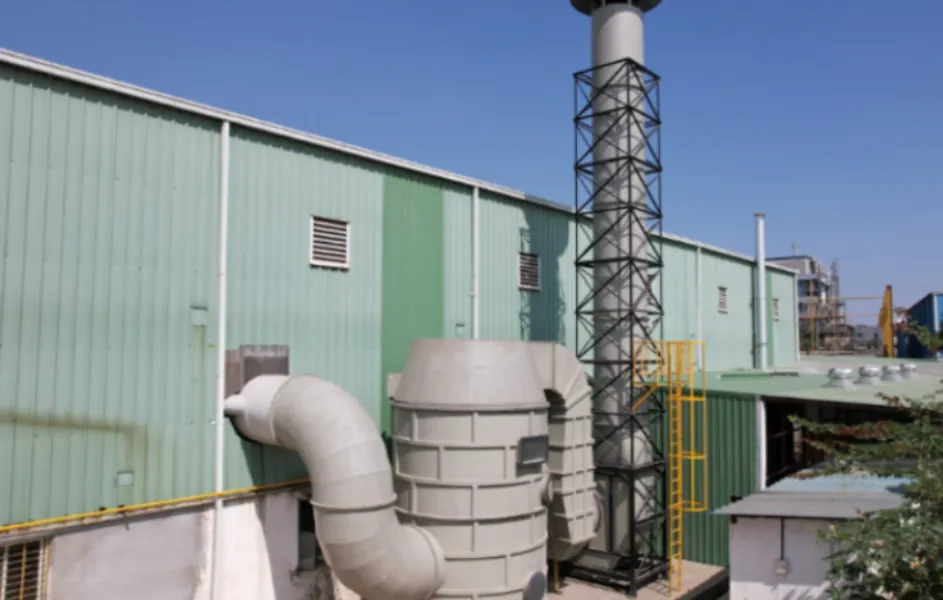
Chemical fumes generated during electroplating can affect employee health, damage equipment, and create environmental compliance challenges if left untreated. While extraction systems capture contaminated air, chemical fume scrubbers play the equally important role of removing hazardous pollutants before the air is released into the atmosphere.
As environmental standards continue to evolve across Karnataka, manufacturers in Bangalore are increasingly incorporating advanced scrubber systems into new and existing plating facilities.
What Is a Chemical Fume Scrubber?
A chemical fume scrubber is an air pollution control system designed to neutralise or remove harmful gases generated during industrial processes.
Within an electroplating facility, scrubbers typically handle emissions from:
- Chrome plating
- Nickel plating
- Zinc plating
- Acid pickling
- Cleaning operations
- Surface treatment processes
The treated air is then safely discharged according to applicable environmental standards.
Why Scrubbers Are Essential
Plating operations often involve acids and chemicals that produce corrosive vapours.
Without effective treatment, these emissions may:
- Affect indoor air quality
- Corrode nearby machinery
- Reduce equipment lifespan
- Create health risks
- Increase environmental compliance concerns
Installing an efficient scrubber system helps minimise these risks while improving overall plant performance.
How Chemical Scrubbers Work
Although designs vary depending on the application, the general process involves:
- Capturing contaminated air from the plating line.
- Passing the air through a packed chamber or spray section.
- Bringing the air into contact with a neutralising liquid.
- Removing harmful chemical contaminants.
- Releasing treated air through the exhaust system.
The effectiveness of the process depends on proper engineering and regular maintenance.
Benefits Beyond Compliance
Modern scrubber systems provide several operational advantages.
Improved Workplace Environment
Cleaner air contributes to a safer and more comfortable working environment for plant personnel.
Protection of Plant Equipment
Reducing airborne corrosive gases helps extend the life of electrical panels, cranes, control systems, and structural components.
Better Production Reliability
Cleaner plant environments reduce contamination risks that may affect plating quality.
Support for Sustainable Manufacturing
Effective emission control demonstrates a commitment to responsible industrial operations and environmental stewardship.
Factors to Consider Before Installation
Before selecting a scrubber system, manufacturers should evaluate:
- Type of chemicals used
- Airflow requirements
- Process temperature
- Production capacity
- Available installation space
- Maintenance accessibility
- Utility requirements
A properly sized system performs more efficiently and requires less corrective maintenance.
Routine Maintenance Is Critical
Like any industrial equipment, scrubbers require regular servicing.
Maintenance activities typically include:
- Inspecting spray nozzles
- Checking pumps
- Cleaning packed media
- Monitoring pressure drop
- Verifying chemical concentration
- Examining ductwork
Preventive maintenance ensures reliable operation and consistent emission control.
Integration with Plating Facilities
The most efficient scrubber systems are designed alongside the plating line rather than installed as independent additions.
Integrated engineering allows:
- Better airflow balance
- Lower installation costs
- Improved maintenance access
- Higher operating efficiency
- Simplified plant layout
This approach supports both productivity and environmental performance.
Engineering for Long-Term Reliability
Many manufacturers rely on companies such as AK Automation Systems to design scrubber systems that integrate seamlessly with electroplating lines while addressing specific production requirements and compliance objectives.
A well-designed chemical fume scrubber not only protects the environment but also enhances workplace safety, equipment reliability, and the overall efficiency of the manufacturing process.
Keywords


