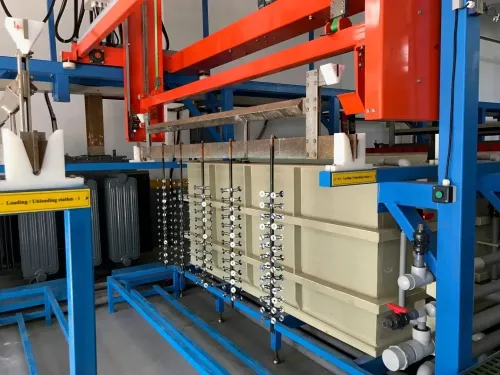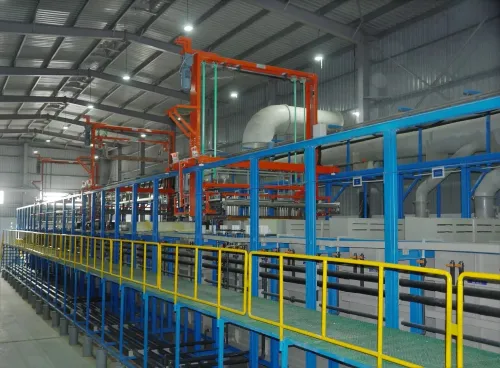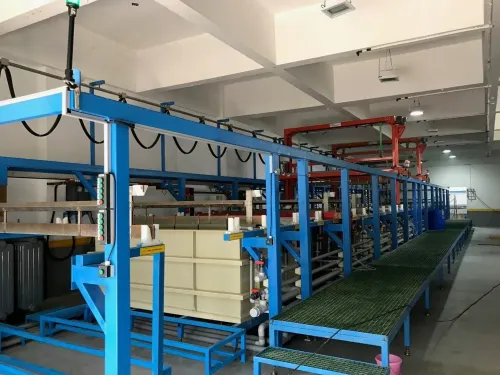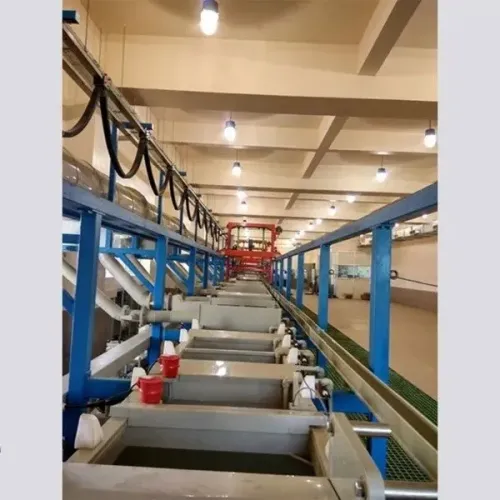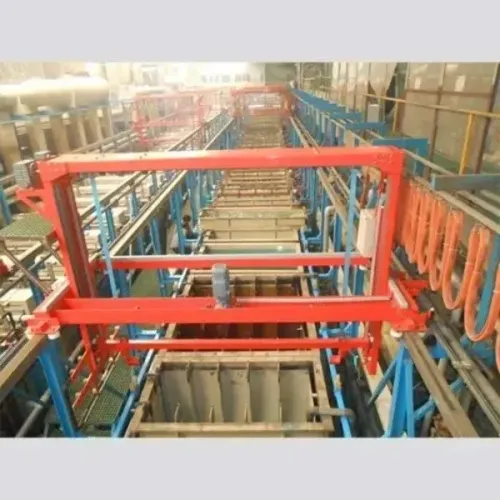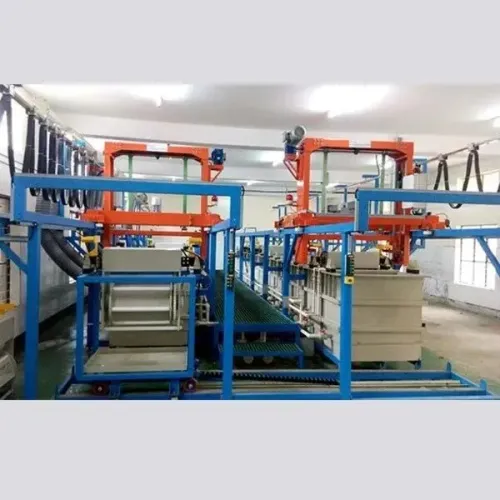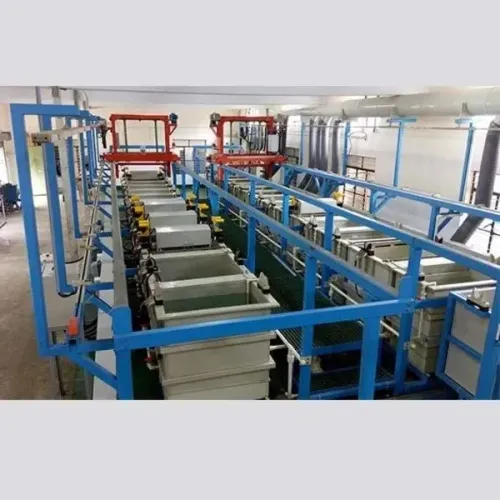
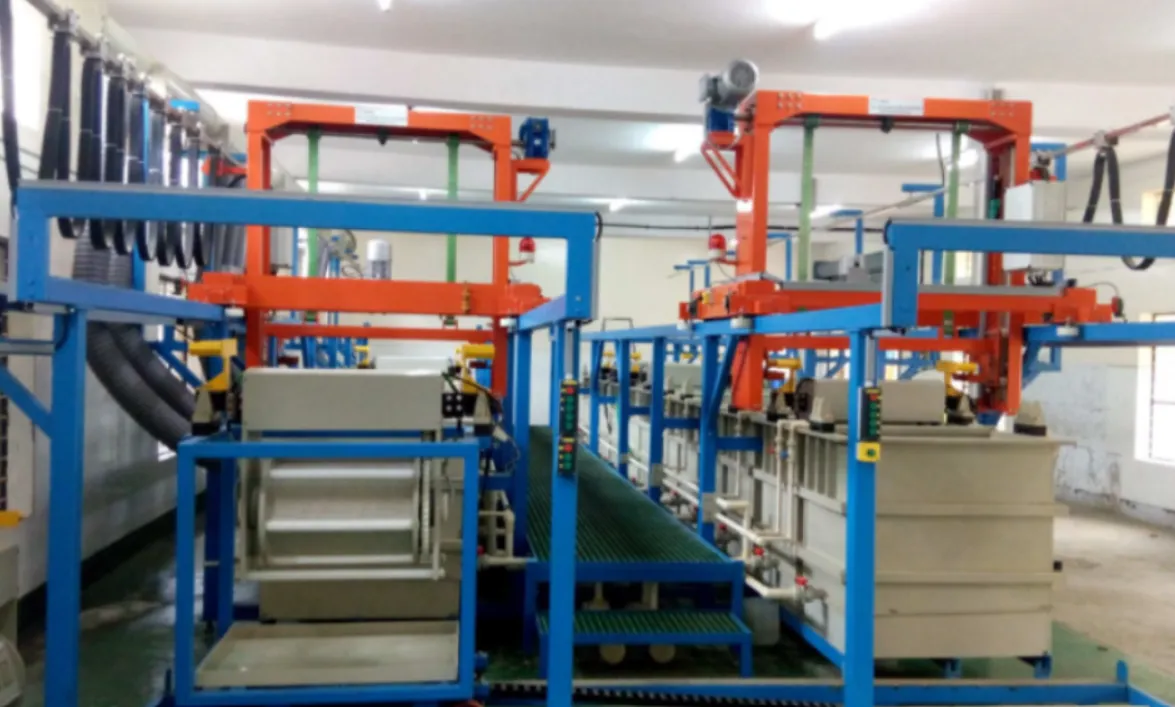
Nickel plating is widely used where manufacturers need a combination of corrosion protection, surface appearance, wear characteristics, or an intermediate coating before another finishing operation. However, obtaining a uniform nickel deposit depends on considerably more than placing components into a plating bath.
The design and operation of Nickel Plating Equipment influence solution circulation, electrical distribution, temperature stability, material handling, rinsing, and overall process repeatability.
These factors are especially important for Bangalore manufacturers supplying precision engineering, automotive, electrical, electronics, tooling, and industrial component markets.
What Does a Nickel Plating Line Typically Include
The exact arrangement depends on the base metal and required finish, but an industrial nickel plating process commonly involves several preparation and finishing stages.
These may include:
- Degreasing
- Cleaning
- Water rinsing
- Acid activation or pickling
- Additional rinsing
- Nickel plating
- Recovery or drag-out stages
- Final rinsing
- Drying
Each stage contributes to final coating quality. A sophisticated plating tank cannot compensate for inadequate surface preparation.
Contamination, oil, oxide, or poor cleaning can interfere with coating adhesion and appearance.
Temperature Control Matters
Nickel plating chemistry generally operates within specified process conditions. If bath temperature fluctuates significantly, deposition behaviour can change.
Heating systems should therefore be selected according to bath volume, chemistry compatibility, heat loss, production loading, and required operating temperature.
Temperature sensors and controllers can provide better visibility and control than relying on occasional manual checks.
Current Distribution Affects Deposit Uniformity
Electroplating depends on electrical current reaching the component surface appropriately. Component geometry can make this difficult.
Edges, recesses, holes, and complex shapes may experience different current densities. Rack design, anode placement, component orientation, rectifier settings, and tank geometry can all influence coating distribution.
For this reason, equipment design should be based on actual components rather than only nominal tank capacity.
Filtration and Circulation Support Bath Condition
Particles and contamination in the plating solution can contribute to roughness and other surface defects. Depending on the process, filtration and solution movement may be incorporated to maintain bath condition and improve consistency.
Pump selection and piping materials must be compatible with the chemical environment.
Excessive or poorly directed agitation can also create process problems, so circulation should be engineered according to the chemistry and component application.
Good Rinsing Protects the Next Process Stage
Rinsing is sometimes treated as secondary equipment, but ineffective rinsing can increase chemical carryover between tanks.
This can contaminate subsequent baths, increase water consumption, and complicate wastewater treatment.
A carefully planned rinse arrangement can balance water use with adequate component cleaning. Counter-current rinsing, multiple rinse stages, spray rinsing, or other approaches may be evaluated according to the production process.
Material Handling Influences Repeatability
For higher production volumes, manually controlling every immersion and transfer can become difficult.
Semi-automatic or automatic handling can improve consistency by controlling treatment times and transfer sequences. Automation can also reduce unnecessary operator movement around chemical tanks.
The appropriate level of automation depends on throughput, component variety, cycle time, and capital planning.
Questions Bangalore Buyers Should Ask
Before purchasing Nickel Plating Equipment, manufacturing units should clarify several points:
- What components will be processed?
- What is the maximum component size and weight?
- What coating thickness is required?
- What is the expected daily output?
- Will components be rack plated or barrel plated?
- What utilities are available?
- How will fumes be extracted?
- How will wastewater be collected and treated?
- Is future expansion likely?
AK Automation Systems develops surface finishing equipment for industrial applications where these parameters need to be translated into a workable plant arrangement.
For manufacturing units across Bangalore and Karnataka, dependable nickel plating starts with process control. Tanks, rectifiers, heating, filtration, material handling, ventilation, rinsing, and wastewater management should be considered as interconnected parts of one production system.
Keywords