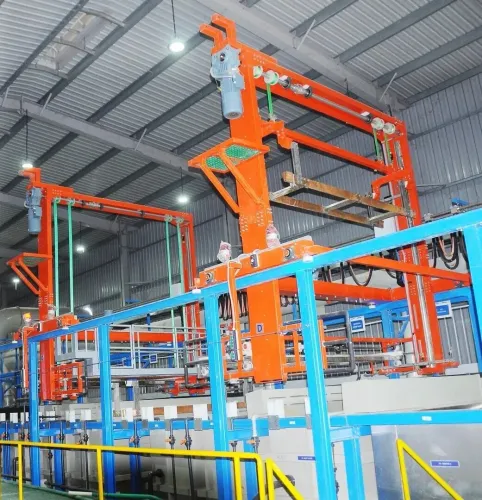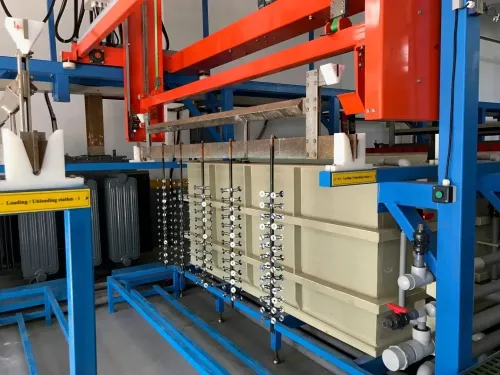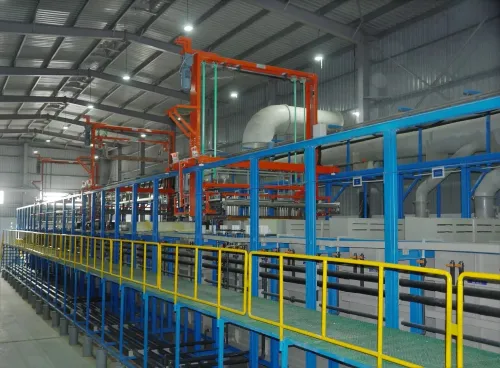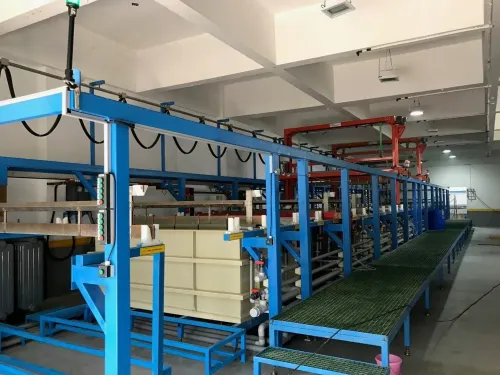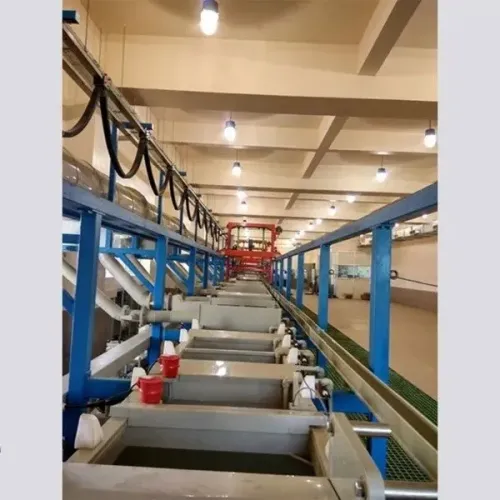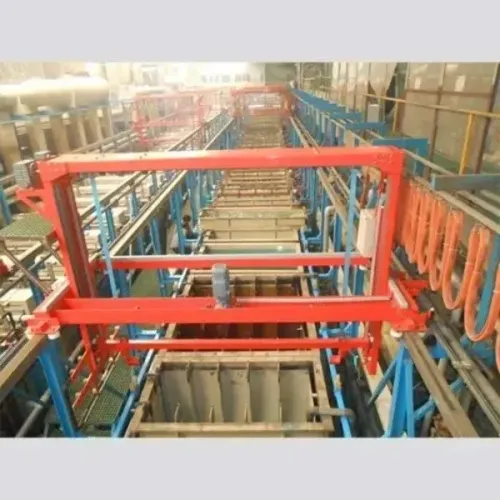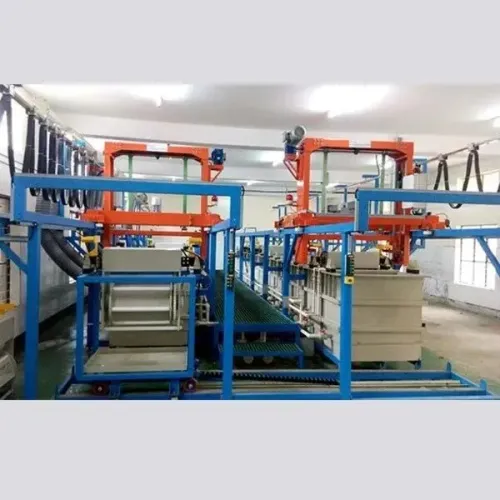

As manufacturing standards become more demanding, many companies are replacing conventional plating setups with fully automatic plating line equipment. These systems improve production efficiency, reduce manual intervention, and help manufacturers maintain consistent coating quality across large production volumes.
For businesses in Bangalore and throughout Karnataka, selecting the right plating line requires careful planning rather than focusing only on equipment specifications.
What Is a Fully Automatic Plating Line?
A fully automatic plating line is an integrated production system where component movement, process timing, chemical treatment, rinsing, drying, and monitoring are controlled automatically.
Instead of relying on operators to move products between tanks, programmable systems execute every production cycle according to predefined process parameters.
This improves repeatability while reducing production inconsistencies.
Why More Manufacturers Are Upgrading
Several factors are driving automation across the surface finishing industry.
These include:
- Growing production demand
- Higher quality expectations
- Labour shortages
- Increased safety requirements
- Regulatory compliance
- Rising operating costs
Automation enables manufacturers to meet these challenges without compromising process quality.
Essential Equipment Included in a Plating Line
A complete installation may consist of:
- Chemical processing tanks
- Automatic hoists
- Conveyor systems
- PLC control panels
- Drying units
- Rinsing stations
- Filtration systems
- Chemical dosing equipment
- Fume extraction systems
- Wastewater integration
Each component contributes to maintaining a stable and efficient production process.
Benefits Beyond Productivity
Although increased output is often the primary motivation, fully automatic systems provide several additional advantages.
Consistent Surface Finish
Accurate timing and controlled movement improve coating thickness and appearance.
Lower Operating Costs
Reduced chemical wastage, optimized energy use, and fewer rejected products contribute to long-term savings.
Better Workplace Safety
Operators spend less time handling chemicals directly, reducing exposure to hazardous environments.
Improved Traceability
Digital controls make it easier to document production parameters for quality audits and customer requirements.
Planning Before Installation
Before investing, manufacturers should evaluate several practical considerations.
Production Capacity
Estimate both current demand and projected growth over the next five to ten years.
Product Variety
Different product sizes may require flexible handling systems.
Chemical Compatibility
Tank materials must match the chemicals used in the plating process.
Facility Layout
Proper planning minimizes unnecessary material movement while improving workflow.
Utility Requirements
Ensure sufficient power, water, ventilation, and wastewater treatment capacity.
Common Investment Mistakes
Many businesses encounter avoidable issues by focusing solely on purchase price.
Common mistakes include:
- Selecting inadequate production capacity
- Ignoring maintenance accessibility
- Overlooking environmental requirements
- Choosing incompatible tank materials
- Underestimating future expansion
- Purchasing without process customization
A comprehensive engineering evaluation often prevents these costly errors.
Future-Proofing Your Investment
Modern plating lines increasingly support digital manufacturing through:
- Remote monitoring
- Automated reporting
- Energy optimization
- Predictive maintenance
- Smart production analytics
- Integration with factory management software
These capabilities provide greater operational visibility while supporting continuous improvement initiatives.
Why Custom Design Delivers Better Results
Every manufacturing facility has unique production goals, available floor space, and processing requirements.
Rather than relying on standard equipment configurations, many manufacturers work with experienced companies like AK Automation Systems to develop custom plating lines that integrate seamlessly into existing production environments while allowing room for future expansion.
Making an Informed Decision
A fully automatic plating line is a strategic investment that influences quality, productivity, operating costs, and long-term competitiveness. By evaluating technical requirements, production objectives, environmental considerations, and future growth plans, manufacturers can select equipment that supports sustainable business growth while meeting increasingly demanding customer expectations.
Keywords