
Industrial plating is no longer just a finishing process. For manufacturers across Bangalore and Karnataka, it has become a critical part of product quality, corrosion resistance, electrical conductivity, and aesthetic value. Whether producing automotive components, electrical parts, aerospace equipment, or industrial hardware, choosing the right industrial plating machine system directly influences production efficiency and long-term profitability.
Understanding how these systems work and what to consider before investing can help manufacturers make informed decisions.
What Is an Industrial Plating Machine System?
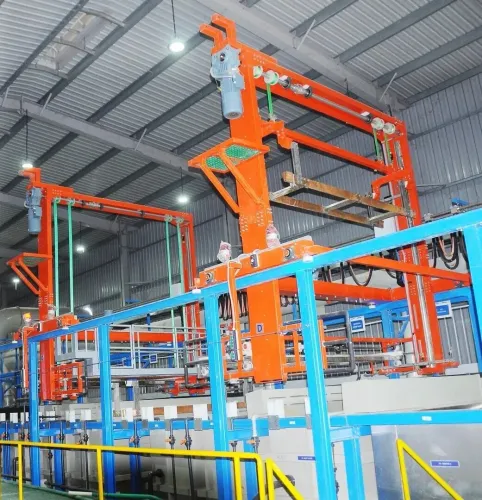
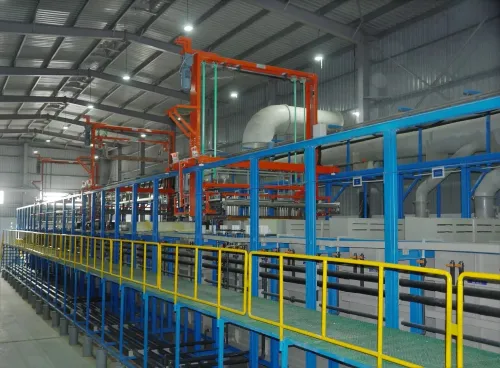
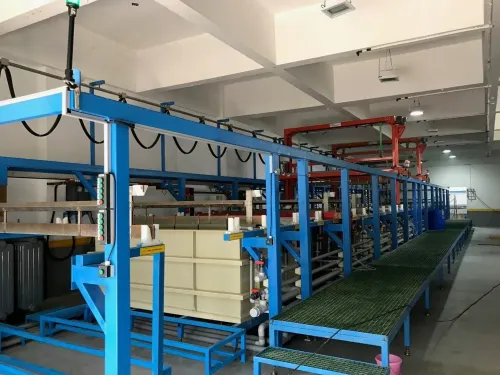
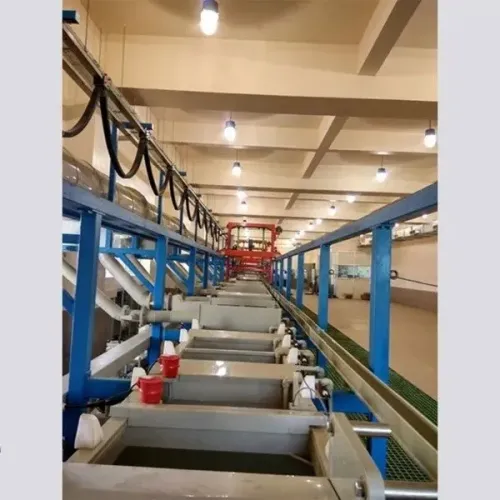
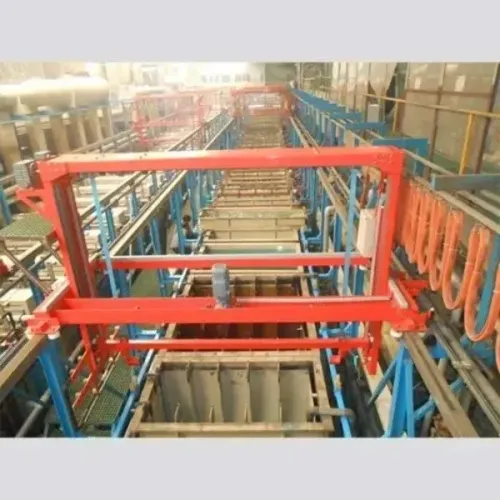
An industrial plating machine system is an integrated setup designed to deposit a protective or decorative metal coating onto components. The system typically combines multiple processing stages into a streamlined production line.
A complete installation generally includes:
- Pre-treatment tanks
- Cleaning and rinsing stations
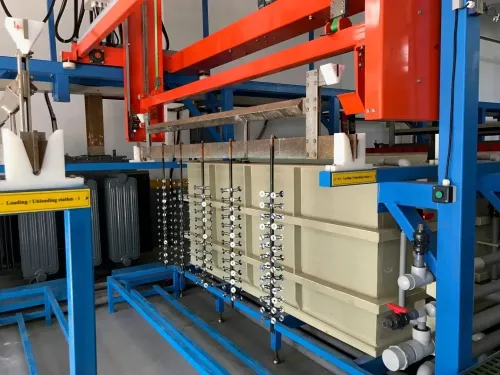
- Chemical processing tanks
- Drying systems
- Material handling equipment
- Control panels
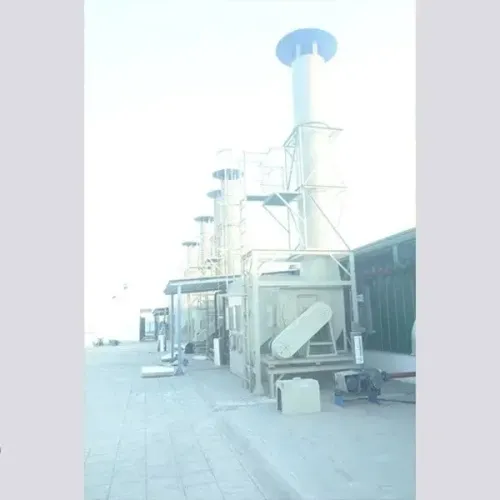
- Ventilation and fume extraction systems
- Waste management integration
The objective is to produce consistent, repeatable, and high-quality surface finishes while reducing manual intervention.
Why Manufacturers Are Moving Toward Automated Systems
Many manufacturing facilities still operate semi-automatic or manually controlled plating lines. While suitable for small-scale production, these systems often struggle to meet today's production demands.
Modern industrial plating machine systems offer several advantages:
- Improved coating consistency
- Faster production cycles
- Lower rejection rates
- Better process monitoring
- Reduced chemical wastage
- Enhanced operator safety
- Easier quality documentation
For industries operating in Bangalore's competitive manufacturing environment, these improvements can significantly enhance productivity.
Industries That Commonly Use Industrial Plating Systems
Industrial plating is essential across multiple sectors, including:
- Automotive manufacturing
- Electrical and electronics
- Fastener production
- Aerospace components
- Medical equipment
- Defence manufacturing
- Consumer appliances
- Industrial hardware
- Heavy engineering
Each industry requires different plating specifications, making system customization an important consideration.
Key Components That Influence Performance
When evaluating a plating system, manufacturers should pay attention to more than just tank size or production capacity.
Important factors include:
Material Selection
The durability of tanks and piping depends on the chemicals used. Materials such as PP, PVC, and PVDF are widely selected because they resist corrosion and maintain structural integrity under demanding operating conditions.
Automation Controls
Modern systems use programmable logic controllers (PLCs) and human-machine interfaces (HMIs) to automate production sequences, improve repeatability, and reduce operator errors.
Material Handling
Automatic hoists, conveyors, and robotic handling systems improve throughput while minimizing damage during movement between process stages.
Ventilation
Proper ventilation helps maintain a safe working environment while protecting equipment from corrosive fumes.
How to Select the Right Capacity
Choosing a larger machine is not always the best investment.
Instead, evaluate:
- Daily production targets
- Product dimensions
- Number of process stages
- Future expansion plans
- Chemical compatibility
- Available floor space
- Utility requirements
Planning for moderate future growth often delivers better long-term value than simply purchasing the largest available system.
Common Challenges Manufacturers Face
Production managers often encounter issues that stem from outdated equipment rather than process chemistry.
Typical problems include:
- Uneven coating thickness
- Production bottlenecks
- Excessive maintenance
- High chemical consumption
- Manual handling errors
- Frequent downtime
- Poor process repeatability
Many of these issues can be minimized through properly engineered automation and process integration.
Environmental Considerations
Environmental compliance is becoming increasingly important across Karnataka's manufacturing sector.
Modern plating systems often incorporate:
- Water recycling
- Efficient rinsing technology
- Chemical recovery
- Energy-efficient motors
- Fume extraction
- Scrubbing systems
- Wastewater treatment compatibility
These features help manufacturers improve sustainability while meeting regulatory expectations.
Why Custom Engineering Matters
No two production facilities operate exactly the same way.
Product dimensions, production volume, chemical processes, and available floor space vary significantly from one plant to another. A custom-engineered plating system usually delivers better workflow efficiency than a standard off-the-shelf installation.
Many manufacturers in Bangalore work with experienced engineering companies such as AK Automation Systems to develop plating lines tailored to their production processes rather than adapting operations around standard equipment.
Looking Ahead
As manufacturing becomes increasingly automated, industrial plating systems are evolving with smarter controls, improved chemical management, and greater operational efficiency. Companies investing in well-designed equipment today are better positioned to improve quality, reduce production costs, and remain competitive in both domestic and international markets.
Keywords