
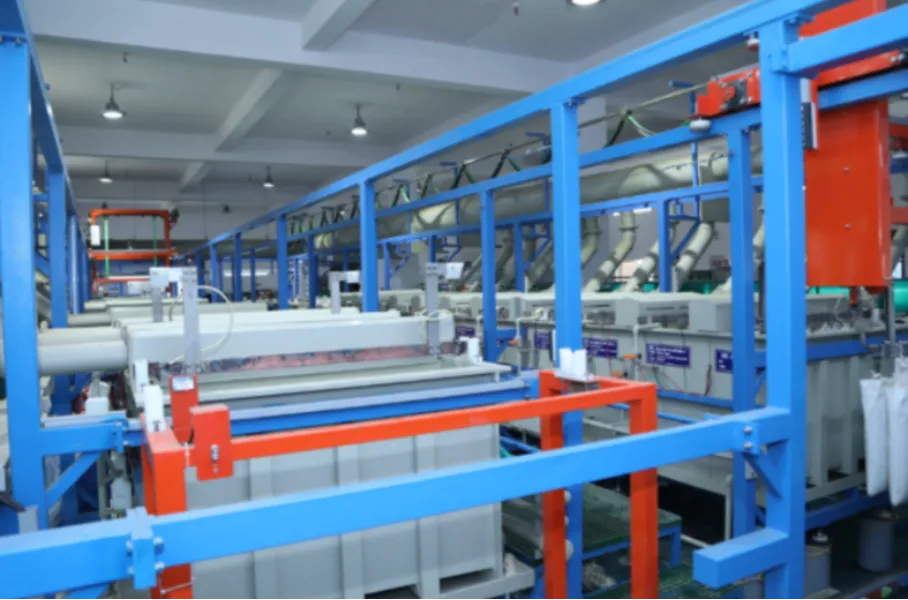
Selecting the right tank material is one of the most important decisions when designing or upgrading an electroplating plant. The tanks are constantly exposed to aggressive chemicals, varying temperatures, and continuous production cycles. Choosing the wrong material can lead to premature failure, costly downtime, and higher maintenance expenses.
Manufacturers across Bangalore and Karnataka are increasingly evaluating PP, PVC, and PVDF tanks based on process requirements rather than simply comparing initial costs. Understanding the strengths of each material helps procurement teams make informed long-term investments.
Why Tank Material Matters
Electroplating tanks are more than containers for chemical solutions. They form the foundation of the entire production line and directly influence:
- Equipment durability
- Chemical compatibility
- Production reliability
- Maintenance requirements
- Worker safety
- Overall operating costs
A well-selected tank material supports consistent production while reducing the risk of unexpected equipment failures.
Polypropylene (PP) Tanks
Polypropylene is among the most widely used materials for electroplating applications due to its excellent chemical resistance and cost-effectiveness.
Advantages of PP Tanks
- Good resistance to many acids and alkalis
- Lightweight construction
- Easy fabrication and welding
- Lower initial investment
- Suitable for many standard plating processes
Best Applications
PP tanks are commonly used for:
- Cleaning tanks
- Rinsing stations
- Nickel plating
- Zinc plating
- General chemical processing
For many medium-temperature operations, polypropylene offers an effective balance between performance and affordability.
PVC Tanks
PVC remains a popular choice for various chemical processing applications because of its strength and reliable chemical resistance.
Benefits of PVC Tanks
- Excellent corrosion resistance
- Strong structural stability
- Smooth internal surfaces
- Good dimensional accuracy
- Easy maintenance
Typical Uses
PVC tanks are often selected for:
- Acid storage
- Pickling processes
- Chemical transfer systems
- Selected electroplating applications
They perform particularly well where moderate temperatures and aggressive chemicals are involved.
PVDF Tanks
PVDF is considered a premium engineering material designed for demanding industrial environments.
Key Advantages
- Exceptional chemical resistance
- Excellent high-temperature performance
- Outstanding mechanical strength
- Long service life
- High purity for sensitive manufacturing applications
Industries That Prefer PVDF
PVDF tanks are widely used in:
- Semiconductor manufacturing
- PCB production
- Pharmaceutical processing
- High-performance electroplating
- Precision engineering
Although the initial investment is higher, the extended lifespan often justifies the additional cost for critical applications.
Comparing the Three Materials
When choosing between PP, PVC, and PVDF, manufacturers should evaluate:
- Chemical compatibility
- Operating temperature
- Mechanical strength requirements
- Production volume
- Expected equipment lifespan
- Maintenance expectations
- Budget
The ideal solution depends on the specific process rather than a single material outperforming the others in every application.
Factors Beyond Material Selection
A quality electroplating tank also depends on proper engineering.
Important considerations include:
- Tank thickness
- Reinforcement design
- Welding quality
- Overflow arrangements
- Drainage systems
- Structural supports
- Inspection access
These design elements contribute significantly to long-term reliability.
Maintenance Best Practices
Routine inspections help maximise tank life.
Maintenance should include:
- Checking weld joints
- Inspecting support structures
- Monitoring chemical compatibility
- Cleaning deposits
- Examining fittings and valves
- Verifying structural integrity
Preventive maintenance reduces unexpected downtime and extends equipment performance.
Selecting the Right Tank for Your Facility
Every electroplating process has unique operating conditions. Manufacturers often consult engineering specialists such as AK Automation Systems to determine the most suitable tank material based on production requirements, chemical exposure, operating temperatures, and future expansion plans.
Choosing the right material is ultimately an investment in reliability, safety, and production efficiency. By carefully evaluating both current and future operational needs, manufacturers can build electroplating systems that deliver dependable performance for many years.
Keywords


